Recycling inert soil into fertile soil

Pierre Charlier / ECT

Preserve topsoil, stop its importation

Topsoil is a natural resource that must be preserved.

Imports must be kept to a minimum.

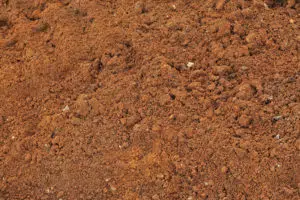
The fertile substrate produced by ECT on its sites represents a 100% eco-responsible alternative:

  • It reduces the carbon footprint of urban landscaping or agricultural renaturation projects, as it is produced on site.
  • It’s a pure recycling product. It reuses inert soil from the construction industry and compost from green waste.
Pierre Charlier / ECT

Revegetate with a fertile substrate produced by the circular economy of building and civil engineering soils

ADEME defines the circular economy as “an economic system of production which, at all stages of the product life cycle, aims to increase the efficiency of resource use and reduce the impact on the environment, while developing the well-being of individuals”. This circular system therefore places the emphasis on new design modes, on extending the useful life of products, but also on use rather than possession of goods, on reuse and recycling.

Soil amendment, using fertile substrate, is an illustration of the circular economy of inert soil from construction sites.

ECT-Chelles-Substrat-Fertile
ECT SAFER IDF Chelles (77)

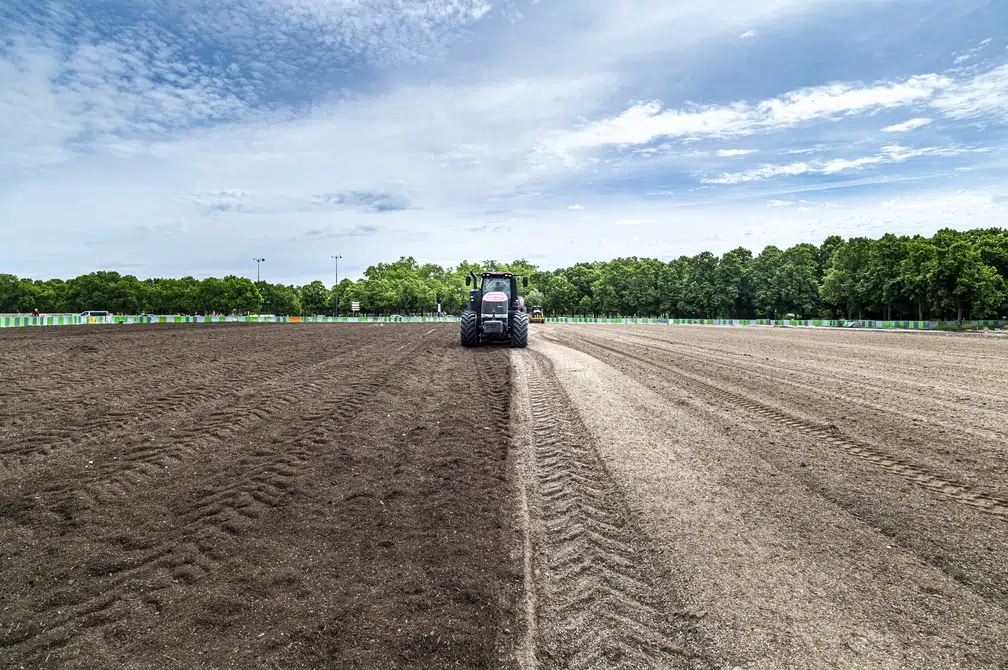
Creating a fertile horizon on project embankments

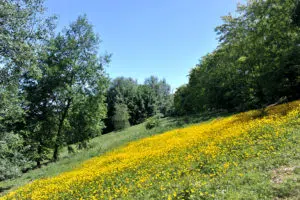
When the initial soil is too low quality to be preserved and reused, ECT produces fertile substrate in situ to create the support for greening of its projects. ECT has developed this know-how both for agricultural use, as at the Grisy-Suisnes and Roissy-en-Brie sites, and for renaturation, afforestation or meadows, as at Buchelay and Chelles.

ECT masters the creation of this fertile substrate and produces it in situ.

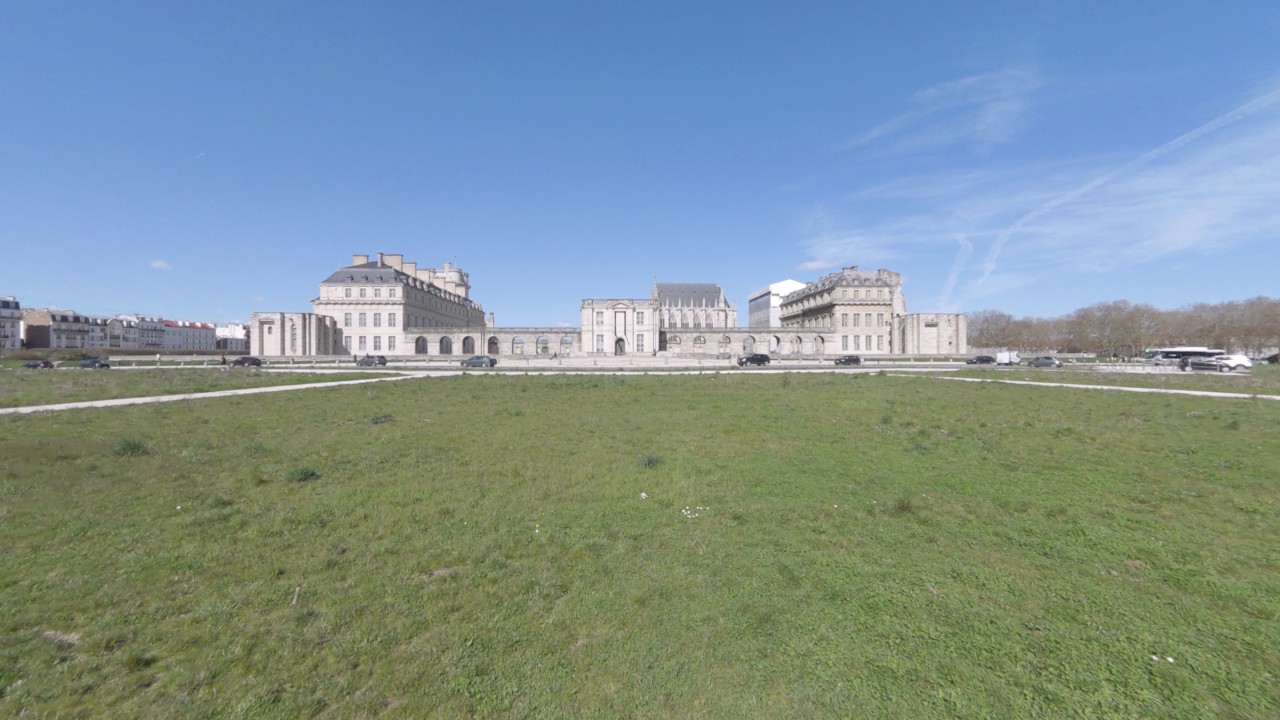
Greening of the esplanade Saint Louis in Paris, on the edge of the Bois de Vincennes

The City of Paris’ greening operation has transformed a former parking lot into an urban meadow. The culture medium used is a fertile substrate produced in situ by ECT. The technosol produced has enabled soil qualities to be adapted to the services required: fertility, drainage, bearing capacity.

Research & Development on fertile substrates and technosols

Full-scale process testing

Manufacturing and implementation experience, high-volume production.

  • Experimentation at the ECT site in Annet-sur-Marne (77)
  • to return 3 hectares of landfill to agriculture
  • over the period: 2017-2019

Thesis “Biodiversity potential in technosols”.

  • Under a Cifre contract, ECT supported Charlotte Pruvost’s thesis at the Université Paris-Est-Créteil, entitled “Potentiel de biodiversité dans les technosols” (“Biodiversity potential in technosols”).
  • This research analyzes the return of biodiversity to this type of fertile substrate. Defense in December 2018.

Research & Development

Our partners

Your most frequently asked questions

Pour recevoir
les dernières actualités d'ECT