
Every ECT development project brings about lasting change to a site, benefiting the local communities and their residents. At the heart of this effort is the Development Department, where project managers play a vital role : they conceive, implement, and coordinate these meaningful, non-construction projects—whether focused on the environment or society—in close collaboration with local authorities.
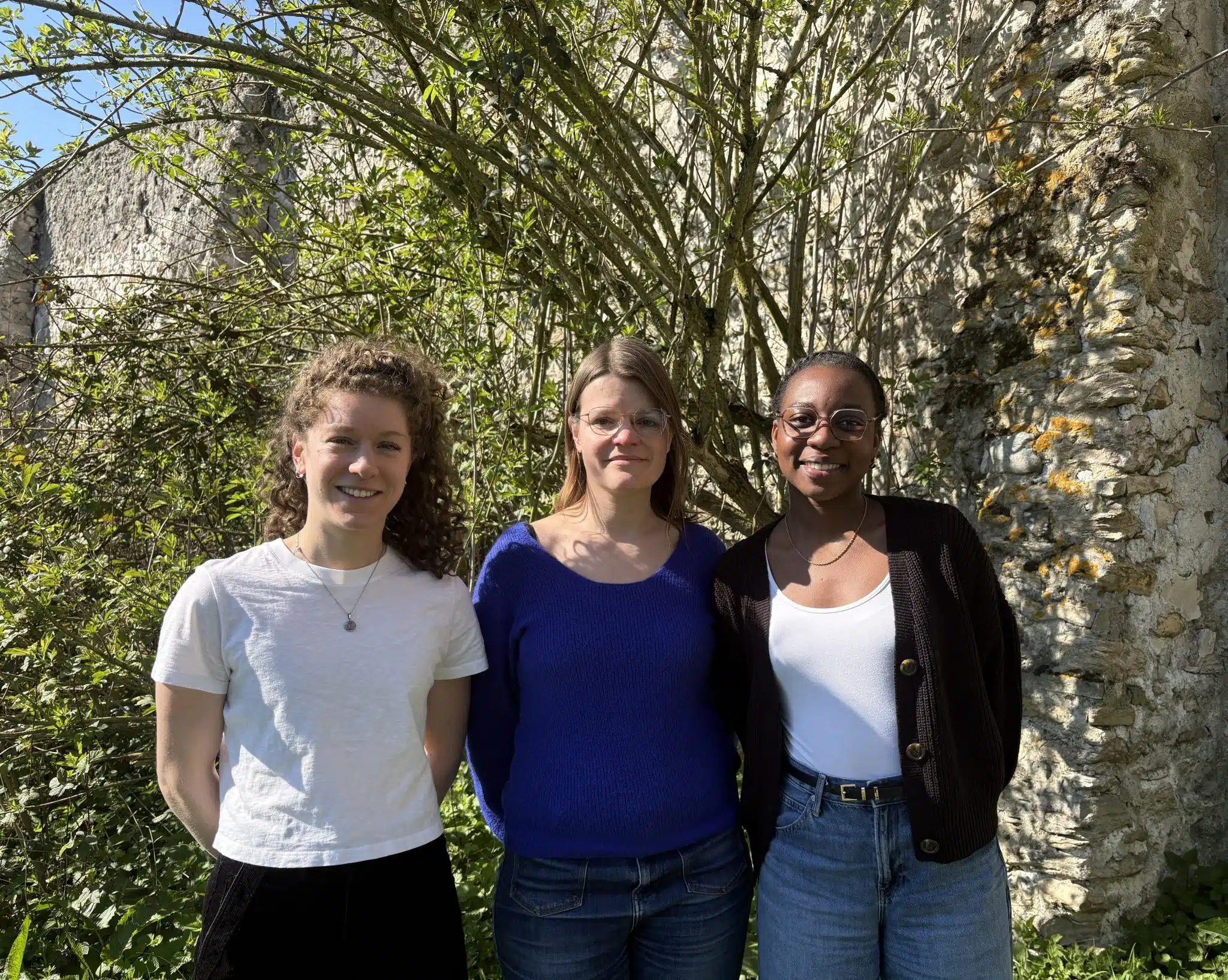
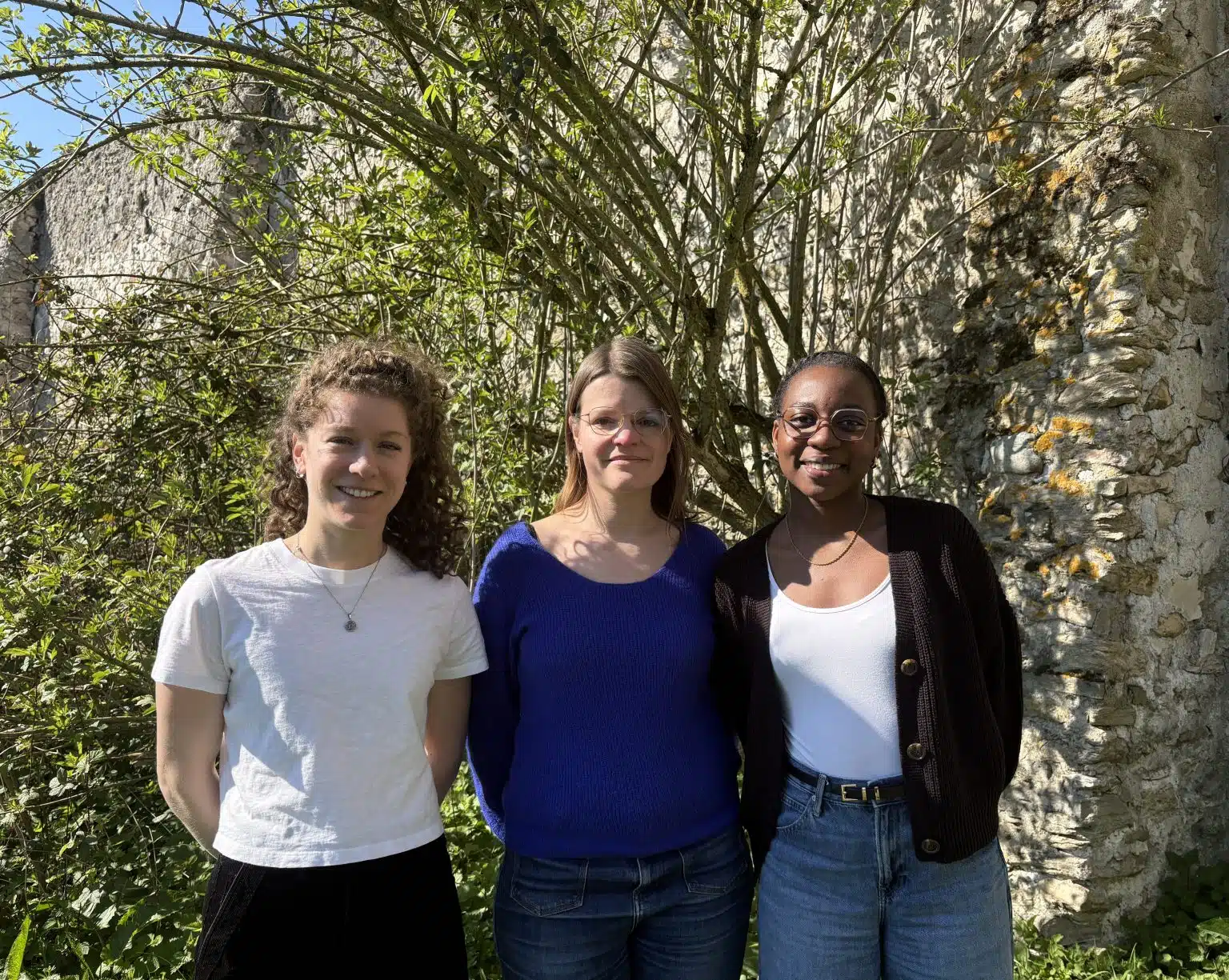
Portraits of three dedicated professionals : Barbara Decaudin, Florie Pozzi, and Sophie Alcotte.
A job with meaning
It’s no coincidence that they chose this profession. All three share the same conviction : to take concrete action on projects at the intersection of urban planning, the environment, and the circular economy.
“What’s rewarding is imagining the transformation of a place into a space that residents will enjoy”—Sophie Alcotte
“When you return to a site a few years later and see the landscape changing, it’s very satisfying. You realize that all the work you did really made a difference”—Barbara Decaudin
A key role at the heart of projects
Within the Development Department, ECT project managers are involved at every stage, from the initial idea to the final implementation.
“We design green spaces, agricultural areas, recreational facilities, and biodiversity habitats. It’s very diverse.” — Florie Pozzi
Their goal :
- Meeting the needs of communities : transforming neglected spaces into places that benefit the local area and are enjoyable for residents,
- Designing environmentally friendly projects that preserve and enhance biodiversity while blending into the landscape
- Recycle inert construction and demolition waste as a resource to finance the project
“It’s not always an easy job to explain, because people often don’t realize what a valuable resource inert soil is” — Sophie Alcotte
From idea to concrete project
A project may arise from a local request… or from an opportunity identified at a neglected site. Each site undergoes a thorough analysis.
“Every site is unique. We have to take into account the area, the soil type, the risks… but also biodiversity-related issues” — Barbara Decaudin
Project managers then coordinate a wide range of internal expertise—landscape architects, biodiversity specialists, operations teams, planning departments—as well as external consulting firms, such as those specializing in hydrogeology.
“Our role is to coordinate these areas of expertise so that the final project is coherent and feasible” — Florie Pozzi
Next comes a key step : applying for administrative approval of the project.
“There’s often a lot of back-and-forth… It requires rigor, precision, and a real ability to adapt” — Sophie Alcotte
Their commitment endures over time. Once the project is approved, a new phase begins: bringing in soil and carrying out development work. And their work continues. The project managers remain key points of contact, even after the development is completed.
“Throughout the project, we remain the point of contact” — Sophie Alcotte
Organizational skills, writing ability, technical expertise… the job requires versatility and adaptability. And also the ability to accept the unexpected.
“Sometimes projects don’t come to fruition… What matters is having proposed a relevant solution” — Florie Pozzi
Projects recognized by local communities
“Local governments know that our projects deliver real added value” — Barbara Decaudin
Over the years, ECT has built a relationship of trust with local governments. Today, in regions such as Île-de-France and Hauts-de-France, our projects are well-known and highly regarded.
Being a project manager at ECT means helping to transform regions in a sustainable way, breathing new life into forgotten sites, and creating useful spaces designed with residents in mind.
It’s a committed, hands-on profession… and one that’s deeply focused on the future.
The projects they are most proud of
Barbara Decaudin – At the foot of slag heap 49 in Mazingarbe (62)

For my part, I would cite the Mazingarbe project. The addition of soil made it possible to contain contaminated soil from former settling ponds located at the foot of slag heap 49, which were linked to the site’s historical industrial activities. The site was also overrun by giant hogweed, an invasive exotic species whose sap can cause skin burns when exposed to sunlight, which our intervention helped eliminate. The final project, incorporating a seed orchard and an urban forest, contributes to the development of the Local Plant sector for nursery growers, while being particularly conducive to biodiversity. The transformation of the site is remarkable and now fully showcases the slag heap.
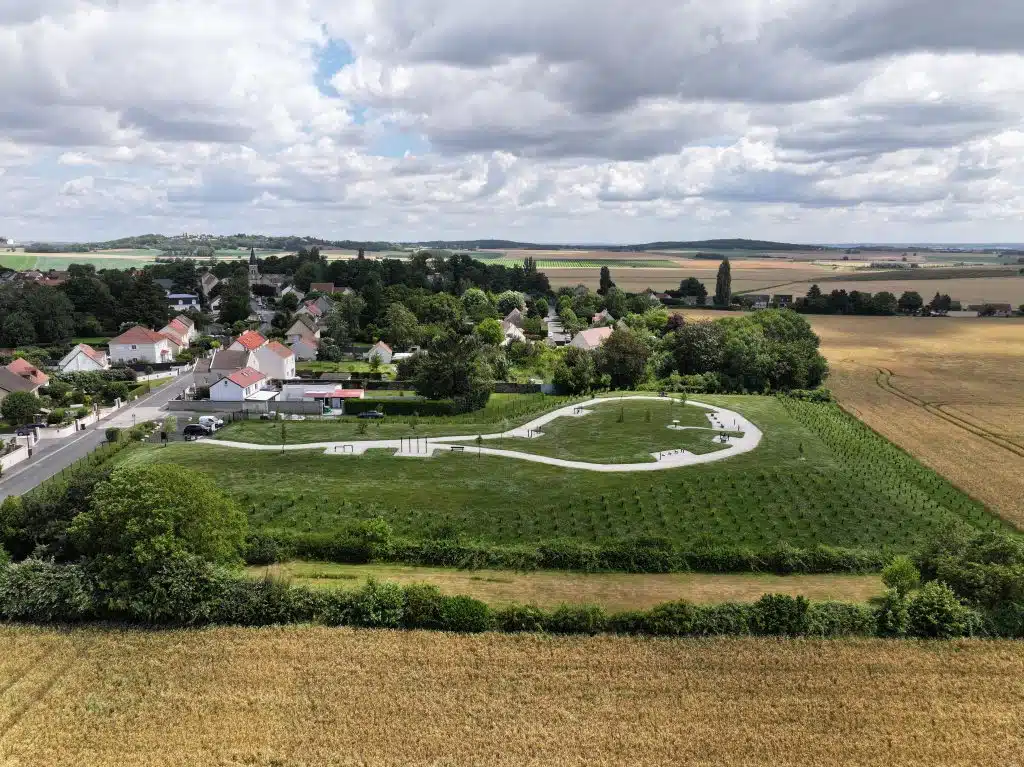
The project that made the biggest impression on me was the one in Iverny. We transformed a neglected, formerly squatted lot into a park—the very first one in the town. We built a fitness trail equipped with exercise stations, which is particularly popular with the local sports club. Outdoor furniture was also installed, including an orientation table offering an unobstructed view of the plain, which, incidentally, inspired the park’s name. Various landscaping features were added: trees planted on the slopes, shrub and flowering hedges at the entrance, and the creation of a small wetland… The Iverny school was involved in the project by helping with the planting, and a drawing created by the students is now on display near the welcome sign. It is particularly rewarding to see the residents fully embracing the park.
Sophie Alcotte – My first ecological restoration projects
After six months at ECT and through the projects I’m currently working on, I’m particularly interested in and enthusiastic about the development of brownfield sites or areas formerly used as landfills. ECT’s work on these sites enables genuine ecological restoration and contributes to their long-term preservation. In my view, these projects perfectly illustrate the core of ECT’s work: transforming degraded sites—often undervalued and marred by waste—into areas of high ecological and environmental value, while restoring them to a use that is consistent with their surrounding landscape. It is a particularly rewarding endeavor, and as a project manager, contributing to their development is deeply fulfilling.