Mazingarbe

- Pas-de-Calais (62)

2 Voie Nouvelle
62670 Mazingarbe

GPS coordinates :

50.473306, 2.741688

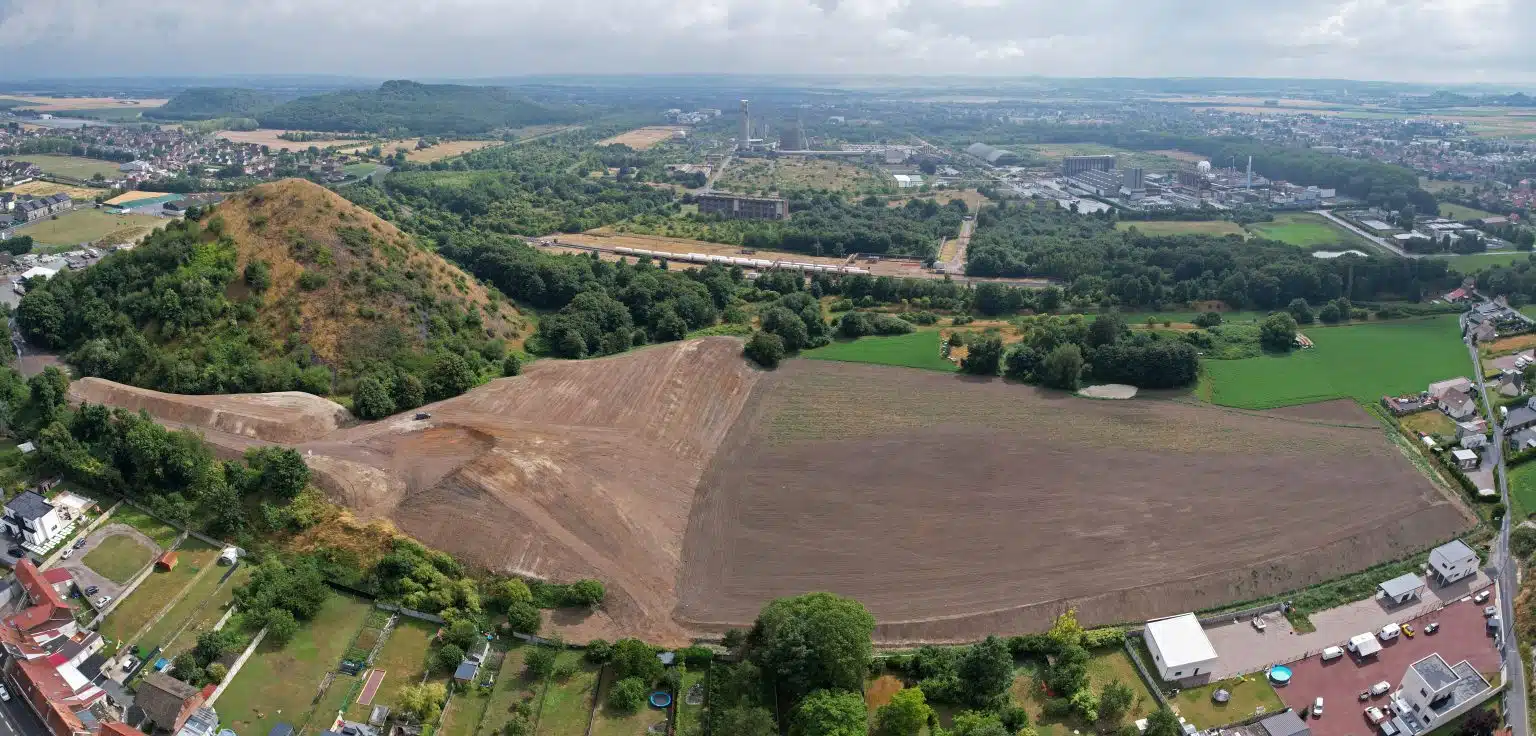
At the foot of slag heap 49, transform a damaged site into a forest and seed orchard.

Types of layout

Nature area, reforestation

Agricultural vocation

Issues :

Renaturation

Green in the city

Farm rehabilitation

Recreating environments conducive to biodiversity

Status:

Finalizing the layout

Project presentation

In partnership with the Commune of Mazingarbe, this project aims to redevelop a derelict site at the foot of slag heap 49, by combining the installation of a seed orchard, the creation of an urban forest and the creation of a soft pedestrian walkway. The project also includes agricultural reprofiling for recultivation. The circular economy of soil from local building sites helps to self-finance this natural, recreational, ecological and educational area.

Key figures

Summer 2024

Soil contributions for 18 months

Autumn 25-Winter 26

Site development: paths, lookout point, information panels

Winter 2026

Planting trees, shrubs and lawns

1

Planted trees

1

agricultural area

1

ha

of nature space, including 0.5 ha of seed orchards, 1.1 ha of urban forest and 0.2 ha of slope afforestation.

Partners

Logo Ville de Mazingarbe

Project life

Mazingarbe plantation du verger

New stage in the site's redevelopment : the seed orchard is created

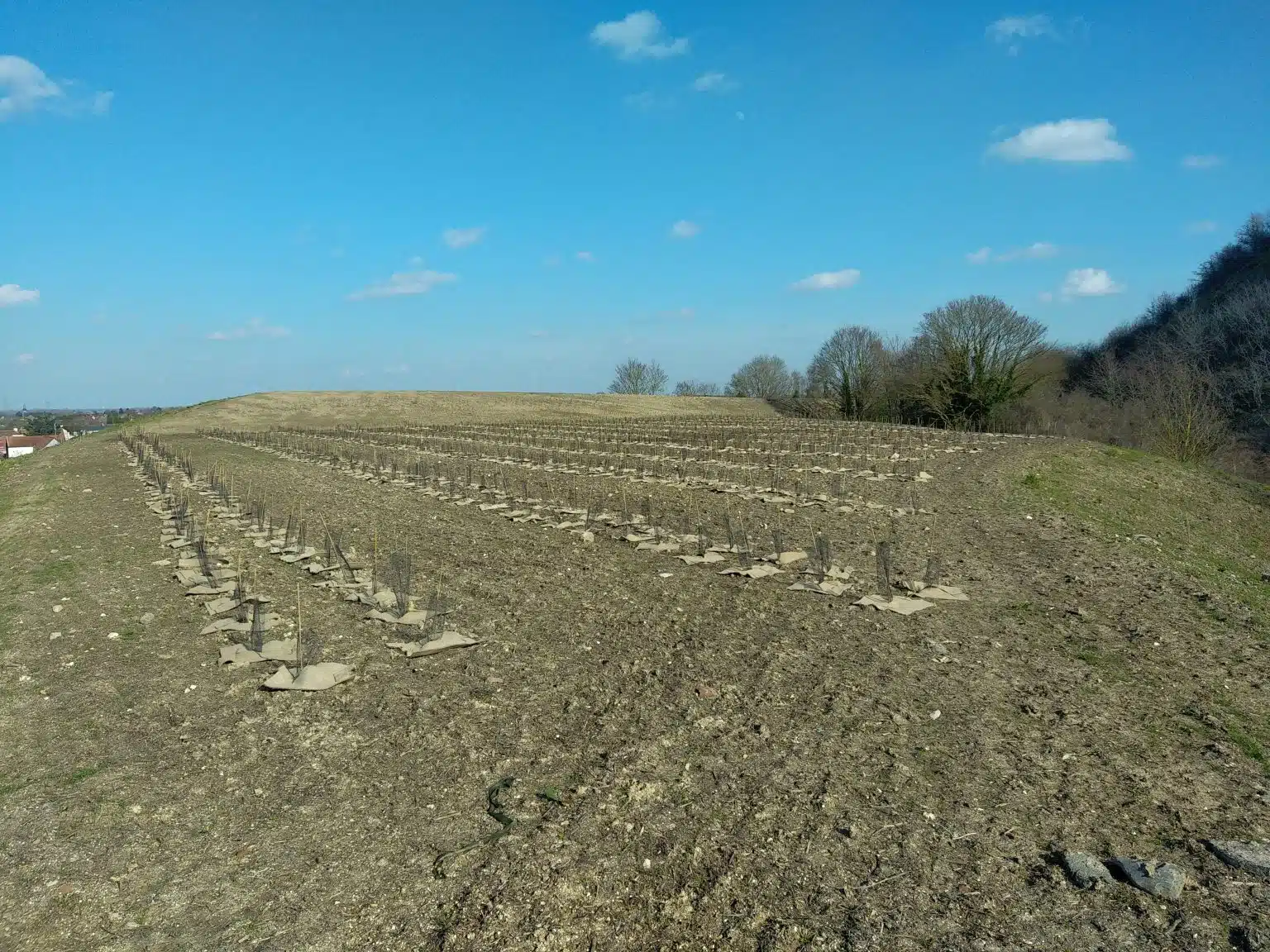
March 2026 – At the foot of slag heap 49, where mining settling ponds once stood, a new ecological chapter is being written: the planting of an orchard dedicated to the production of seeds from wild shrubs native to the region.

Today, the planting of 1,250 shrubs in the orchard has just been completed. The aim here is to produce seeds from European spindle trees, single-styled hawthorns, purging buckthorns, snowball bushes, wayfaring trees, alder buckthorns, dogwoods, and common hazelnuts. The newly planted orchard is surrounded by a pollen barrier, which has also been planted. This new ecosystem consists of 7,469 field maple, black alder, common birch, walnut, wild apple, sessile oak, cherry, wild pear, and small-leaved lime trees. The forest plants are, of course, also of local origin.

The aim ? To boost the production of regionally sourced plants and facilitate seed collection by nurseries and associations involved in the Local Plants initiative.

The orchard, designed in collaboration with Espaces Naturels Régionaux (ENRx) as part of a fruitful partnership, will guarantee the regional origin of certified products—a key issue for ecological restoration and regional resilience. The species for the seed orchard were also selected with ENRx, taking into account : soil characteristics, complementarity with other existing orchards, and local needs for plant genetic resources.

The planting was carried out by the ASS NOEUX ENVIRONNEMENT association, illustrating the cooperation between local stakeholders in the service of biodiversity.

Mazingarbe - Octobre 2025

The end of soil inputs: a new step forward

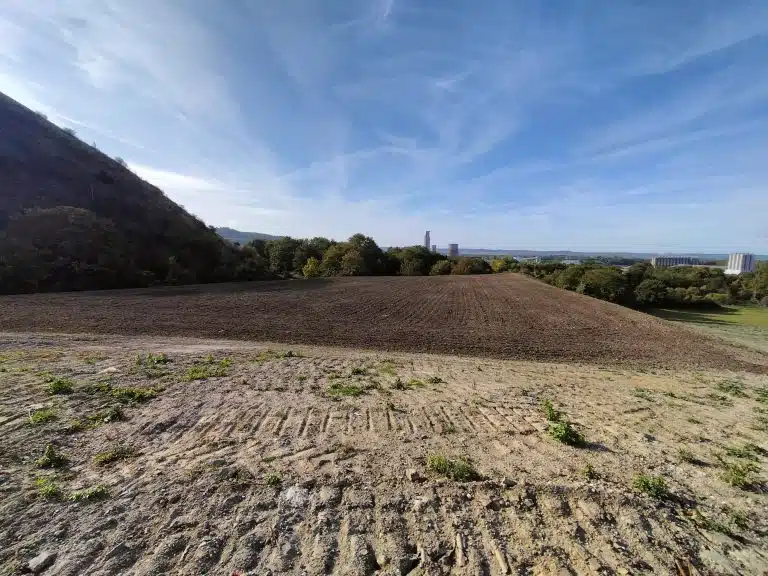
November 2025 – The delivery of inert soil and the new landscaping have been completed. Planting will take place this winter: fruit trees in the orchard, a tree-lined pollen barrier, and wooded embankments. More than 7,000 locally sourced trees will be planted, contributing to the creation of a rich and sustainable new natural space. This new forest area and the greenway will be inaugurated in spring 2026.

Etudiants site Mazingarbe

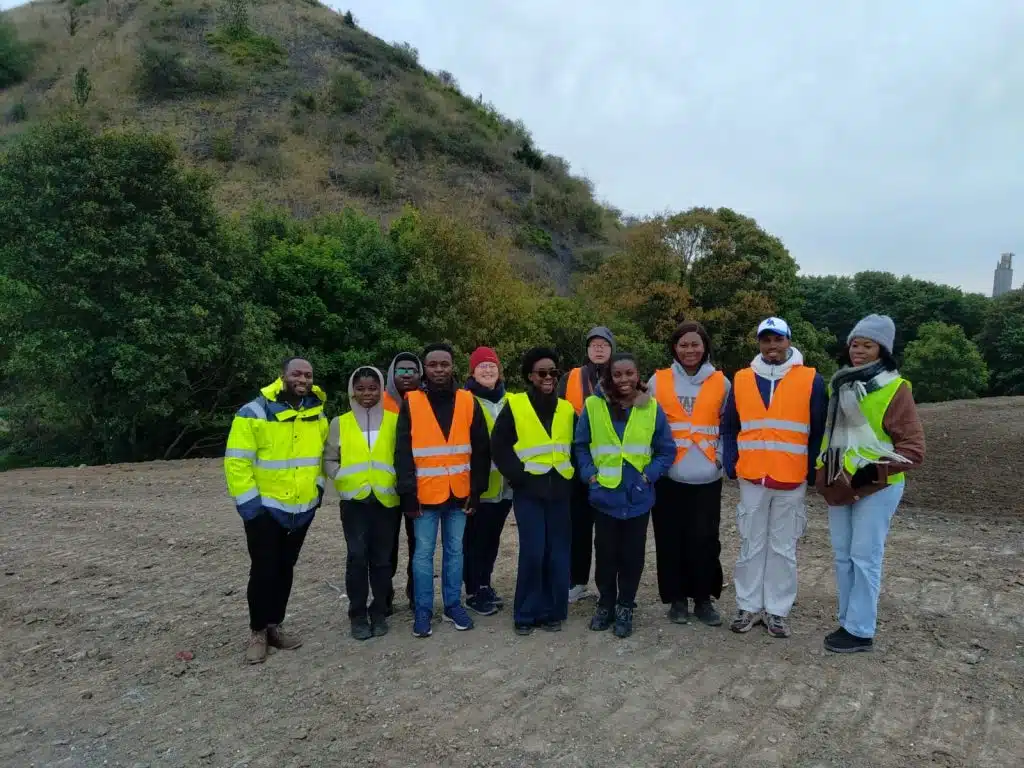
Students visit Mazingarbe site: discovering an environmental requalification project

October 2025 – Students from the Junia Ingénieurs international Master’s 2 program in Lille visited the ECT site in Mazingarbe (62), where 5 hectares of severely degraded land are being redeveloped at the foot of slag heap 49. This project incorporates several environmental and innovative aspects :

  • Containment of soil pollution to protect the environment and human health.
  • Environmental remediation to restore soil and ecosystem quality.
  • Combating invasive alien species to preserve local biodiversity.
  • Creation of a seed orchard in partnership with Espaces Naturels Régionaux (ENRx).
  • Financing through the circular economy thanks to the recovery of excavated soil from the local construction industry.
Visite Mazingarbe - Elus - 2

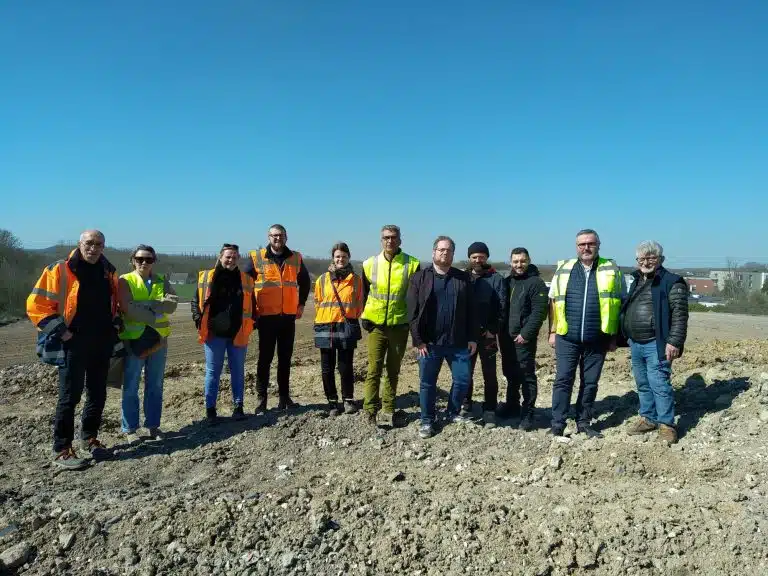
Mayor and elected officials of Mazingarbe visit the terril 49 requalification site

April 2025 – Mazingarbe’s elected representatives visited the ECT project at the foot of slag heap 49. In partnership with the municipality, this project is transforming a degraded site into a seed orchard and urban forest. Thanks to the reclamation of local excavated soil, 4.8 hectares will be rehabilitated at no cost to the community. An exemplary project, at the crossroads of biodiversity, the circular economy and service to residents and the region.

Mazingarbe, a study site for the ecological rehabilitation of mining sites

February 2025 – At the foot of slag heap 49, the ECT site in Mazingarbe hosts study plots for the European REECOL project, led in France by INERIS. This program aims to develop sustainable solutions for restoring degraded soils in mining regions.

The circular economy of building land at the heart of the transformation

November 2024 – Since the summer of 2024, excavated soil from our local partners’ construction sites has been transforming the landscape at the foot of slag heap 49 in Mazingarbe. Coming from a 22 km radius, the soil is part of a circular economy initiative to create an urban forest, a seed orchard and an agricultural area, while combating the Giant Hogweed. The traceability of inert soils is at the heart of the project: each input is controlled from source to final placement. A project that combines land reclamation and landscape rehabilitation, in partnership with local players and ENRx.

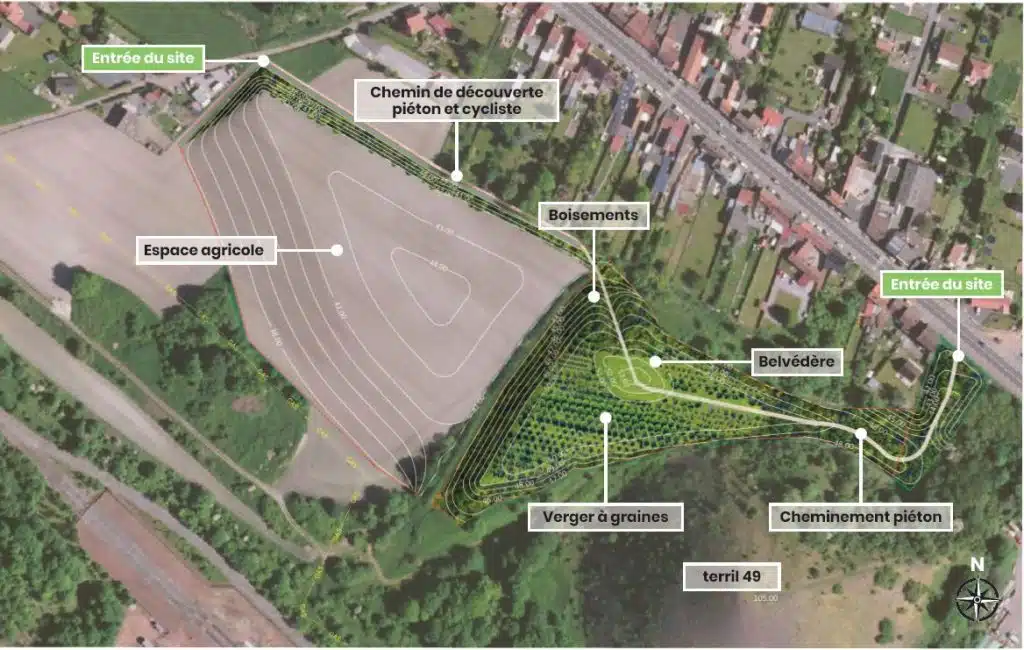
Le plan-masse du projet Mazingarbe reflète l’ambition écologique et paysagère de la réhabilitation

Rehabilitating the mining landscape through an ecological renaissance

Coal mining has left its mark on our landscape with the majestic slag heaps. These include terril 49, which has been transferred to the Conservatoire d’Espaces Naturels des Hauts-de-France for land protection. At the foot of the slag heap, the abandoned land is overgrown with various types of waste and colonized by invasive exotic flora, such as the dreaded Giant Hogweed.

The reuse of inert soil from local construction sites is an opportunity to rehabilitate this derelict land and transform the site. The transformation of the site is self-financed by the circular economy of inert soil, and will provide a natural space for relaxation.

This project has been designed with a multidimensional approach: ecological, landscape, sensory, well-being and educational.

4 project challenges :

  • Creating an urban forest
  • Building a seed orchard
  • Maintaining agricultural land
  • Opening the site to the public

Further information

Environmental and social quality of ECT development projects

Financing and project development

Land traceability, a major challenge

See our examples of achievements

Pour recevoir
les dernières actualités d'ECT