Icon Pin

Coubert

- Seine-et-Marne (77)

La Grange le Roy
77166 Grisy-Suisnes

GPS coordinates :

48.686389, 2.697708

Rehabilitating farmland in the Paris region

Types of layout

Agricultural

Picto, icone arbre

Nature area, reforestation

Icon Enjeux

Issues :

Farm rehabilitation

Renaturation

Icon Etat d'avancement

Status:

In operation, soil contributions

Project presentation

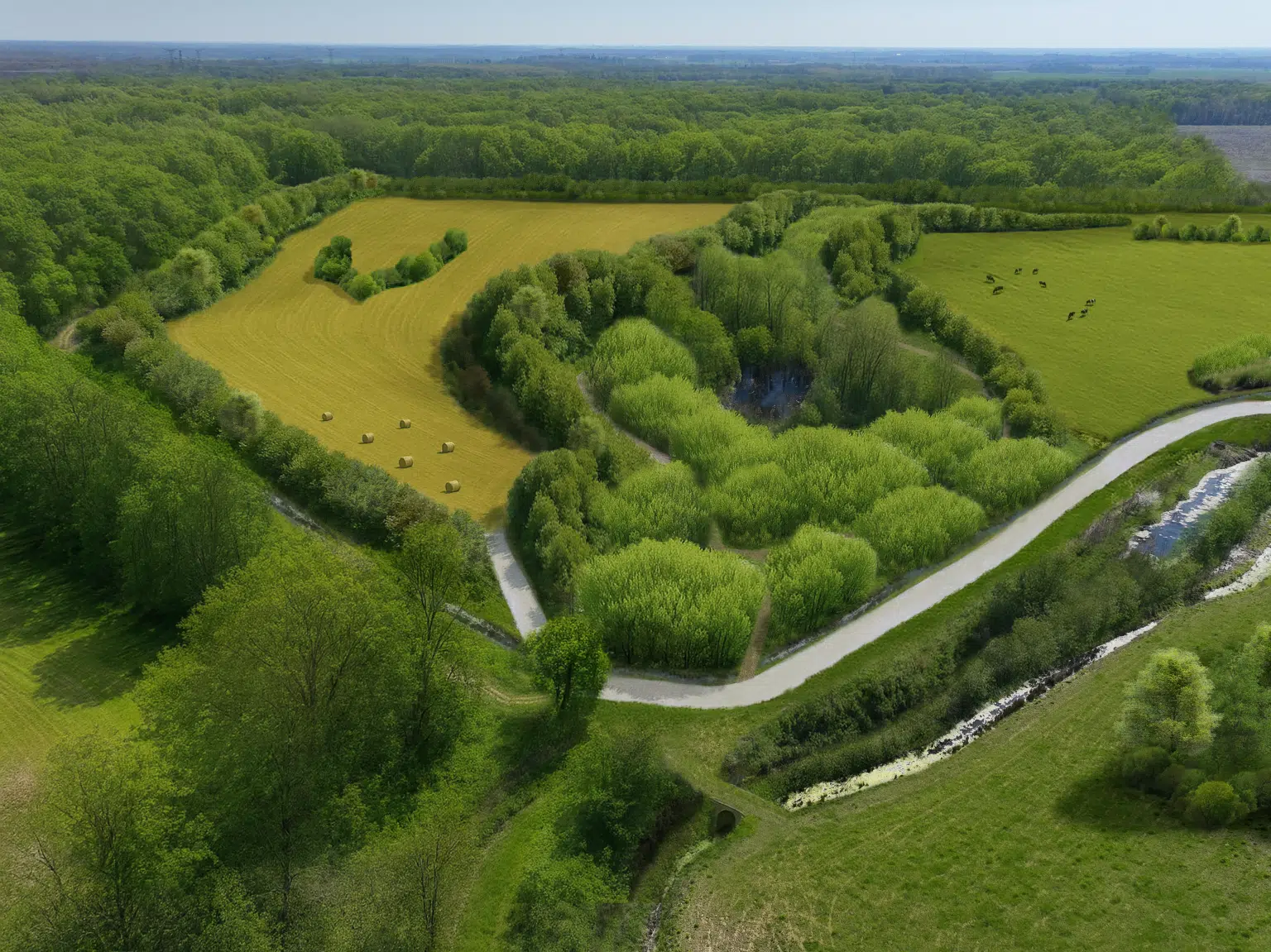
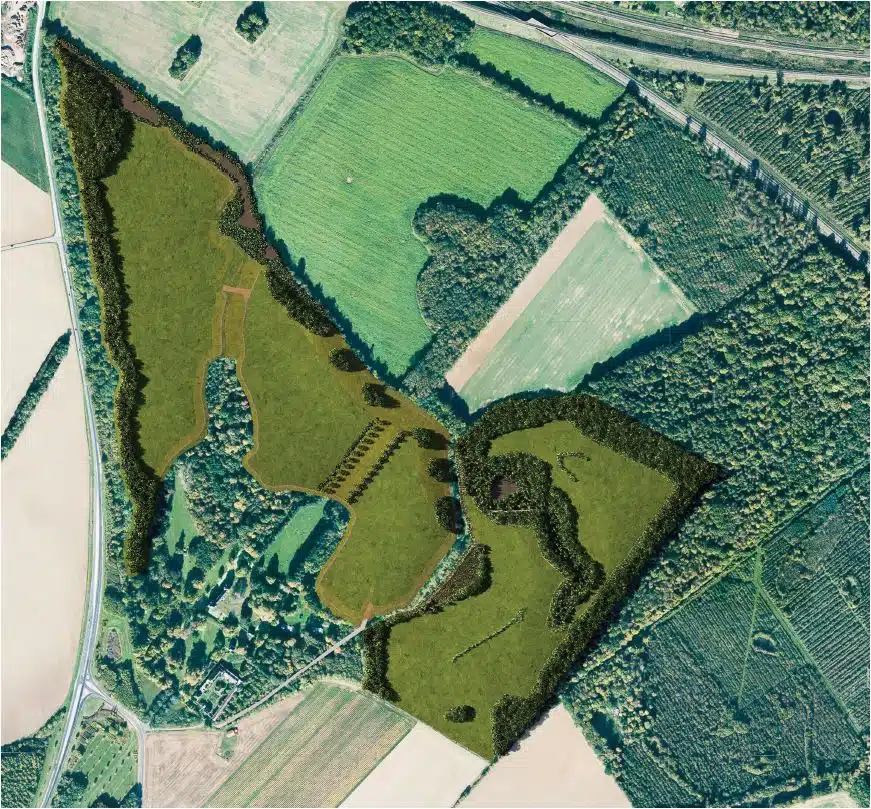
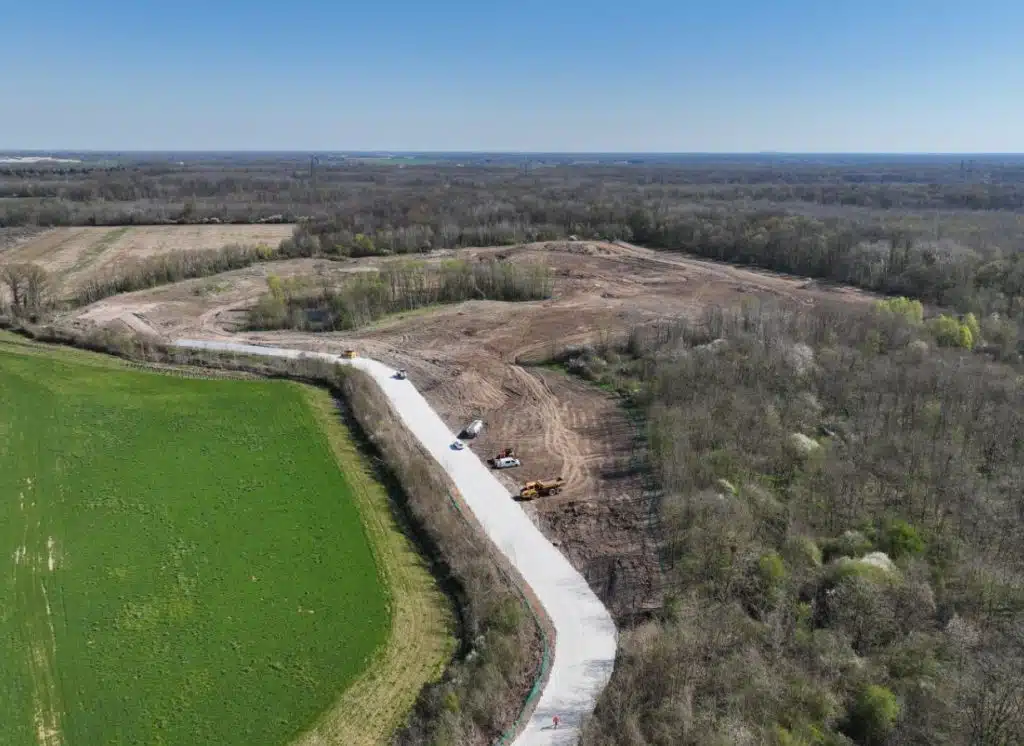
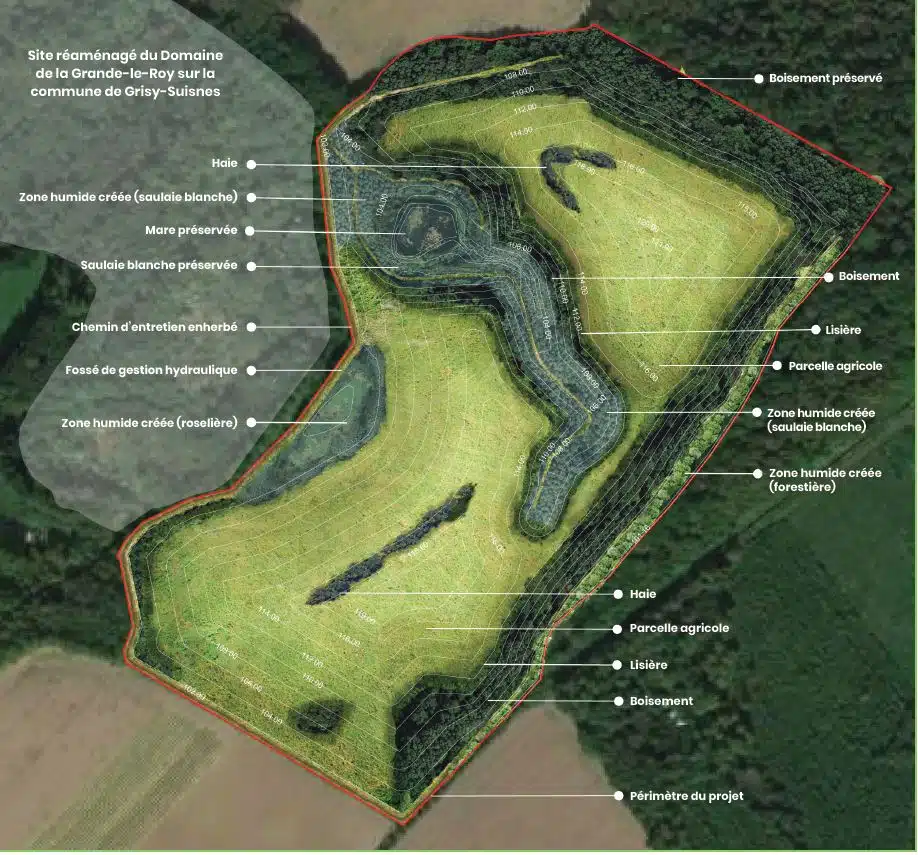
The project to redevelop the Domaine de la Grange-le-Roy is being carried out by Safer de l’ÃŽle-de-France, the project owner and landowner. The Grisy-Suisnes part of the estate has already been redeveloped. The project for the land in Coubert involves rehabilitating 11 hectares of pastureland as well as natural wetlands and woodland.

Key figures

The phasing of the worksite is adapted to the ecological challenges of gradually restoring natural environments. For this reason, the project is being carried out over 4 years and in two phases.

Phase 1

  • Soil inputs: 2025-2026
  • greening: winter 2026
  • Surface area of 10.6 ha

Phase 2

  • Soil inputs: 2027-2028
  • vegetation: winter 2029
  • Surface area of 7.6 ha

Key facts about the agricultural and ecological restoration project

1

ha

returned to agriculture, in the form of pastureland

1

ha

of woodland area. Creation of 1.1 ha of shrub borders and 1 ha of hedges

1

ha

creation of 1.3 ha of white willow wetlands. Restoration of existing internal stream.

Partners

logo safer Ile de france

Project life

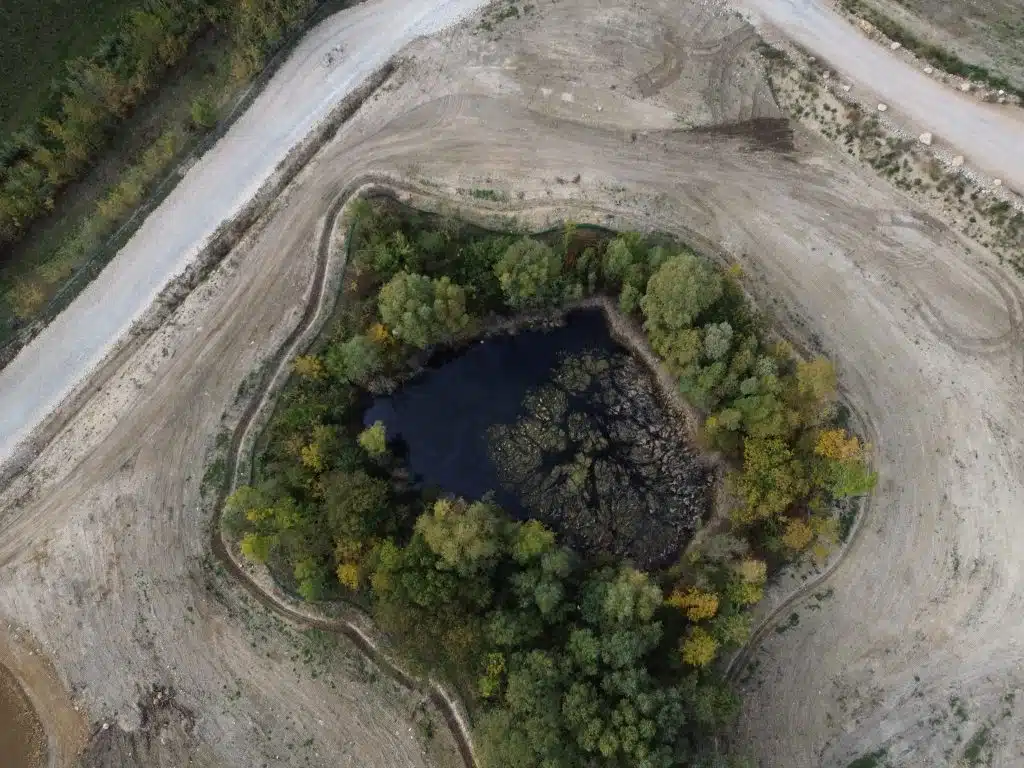
Mare Coubert - SAFER IDF - HD

Preservation and restoration of natural environments during the construction phase

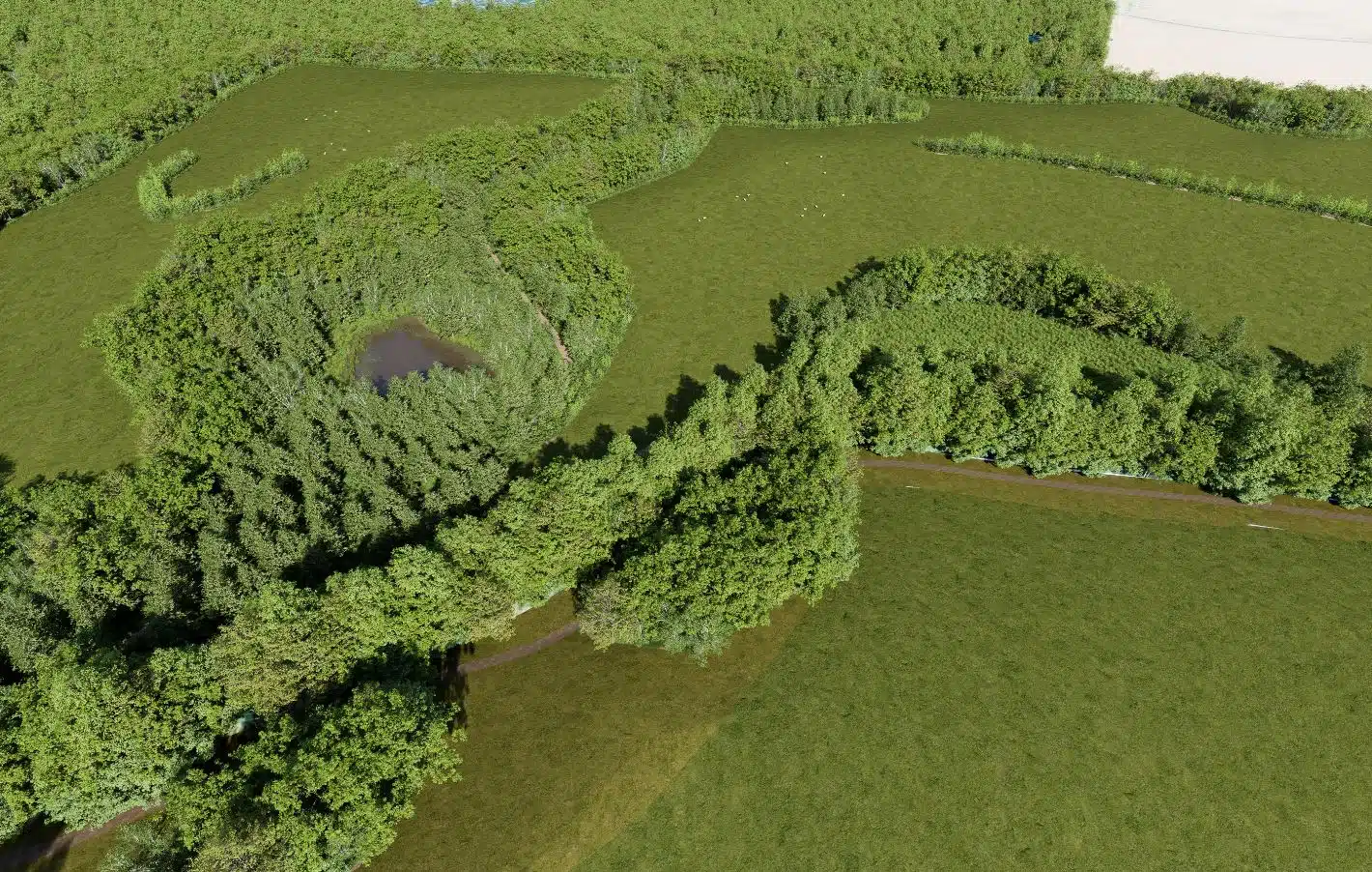
December 2025 – The project carried out at the Coubert site fully integrates the challenges of preserving biodiversity and restoring remarkable natural environments. At the heart of the project, the central pond is an environment with significant ecological challenges due to its wooded banks and the species of fauna and flora it shelters. This environment is fully preserved and is the subject of a specific ecological restoration program.

From the early stages of the project, protective measures were put in place, including the installation of anti-return barriers for amphibians and the creation of temporary ditches to limit the transfer of fine particles to the pond. During the work, regular monitoring of water levels and vegetation of interest is carried out, with particular attention paid to the reed bed and the protected aquatic plant Utricularia citrina. This monitoring allows interventions to be adapted and, where necessary, additional targeted actions to be implemented. The next stage of ecological restoration will consist of selective thinning of the woodlands in order to reopen the environment, promote light penetration, and strengthen the ecological dynamics of the site.

All of these actions are being carried out with the support of DRYOPTERIS.

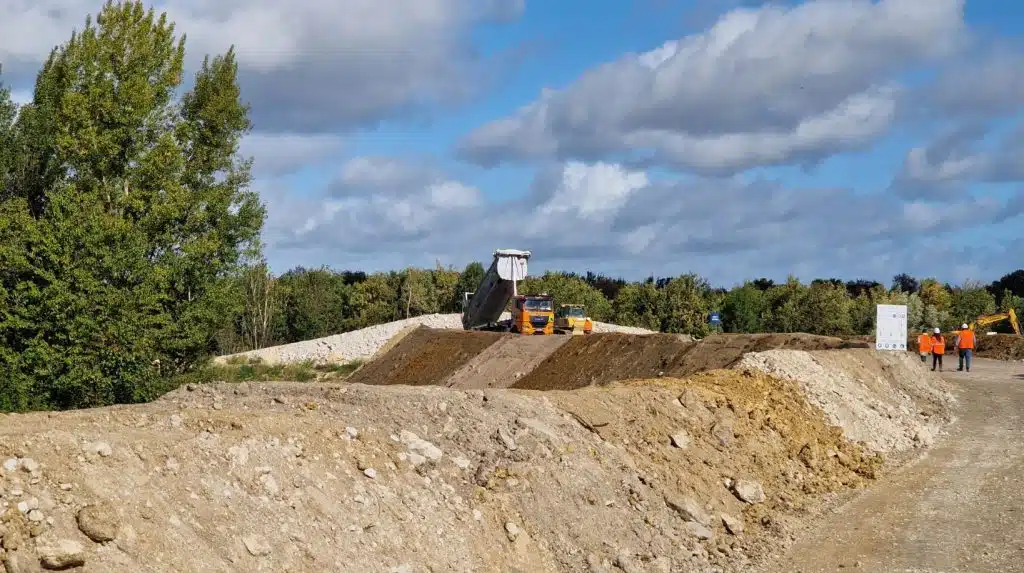
Zone déchargement des terres à Coubert

A project in full swing

September 2025 – The first phase of the project, scheduled to run until April 2026, involves the reception and inspection of inert soil, as well as earthworks. A fertile top layer will then be laid, made directly on site from an agricultural substrate, prior to sowing, which will enable the first part of the site to be returned to agriculture. In partnership with Safer ÃŽle-de-France, the aim of this project is to return severely degraded land to agriculture and restore ecological zones, through the on-site reclamation of soil from local construction sites.

A project self-financed by the circular economy of excavated earth from the construction industry

April 2025 – The Coubert site takes in soil from construction sites. The reuse of excavated soil enables the land to be reshaped for future agricultural and environmental uses, while financing the site’s development. This opening up of the site was made possible thanks to the work of the VRD and green spaces teams.

The project has both agricultural and ecological ambitions

The project aims to complete the agricultural rehabilitation of the Domaine de la Grange-le-Roy and to continue the preservation and revitalization of local biodiversity.

  • Restoration of 11 hectares of pastureland in the heart of Seine-et-Marne
  • Link with the restored natural areas of Grisy-Suisnes by creating ecological
    corridors.
  • Restoration and creation of wetlands and 3.2 ha of woodland.

Further information

Environmental and social quality of ECT development projects

Financing and project development

Land traceability, a major challenge

See our examples of achievements

Pour recevoir
les dernières actualités d'ECT