
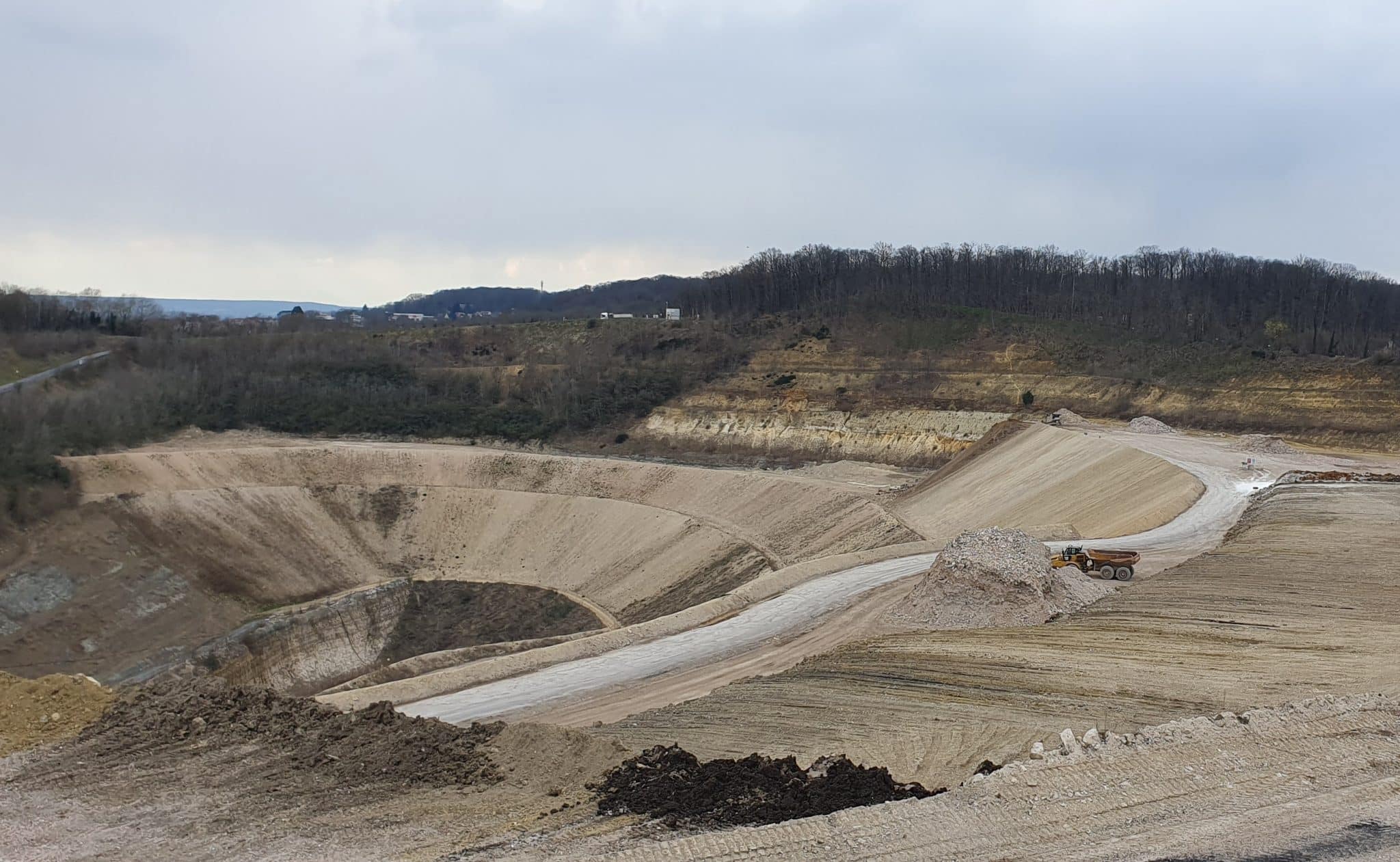

Backfilling open-cast quarries: a technical challenge met
As part of its partnership with Placo Saint Gobain, ECT recycles excavated earth from the construction industry to backfill the open-cast quarry at Cormeilles-en-Parisis (95). This involves backfilling the quarry to great heights, using successive level embankments. A major geotechnical challenge, accompanied by the installation of secure unloading zones and traceability of materials. An interview with the site managers, who manage each stage of this project with rigor and passion. Soil traceability, guaranteeing quality at every stage Soil traceability is at the heart of ECT’s excavated soil recovery process. Upstream, each excavation site is validated by a Declaration of Prior
Read more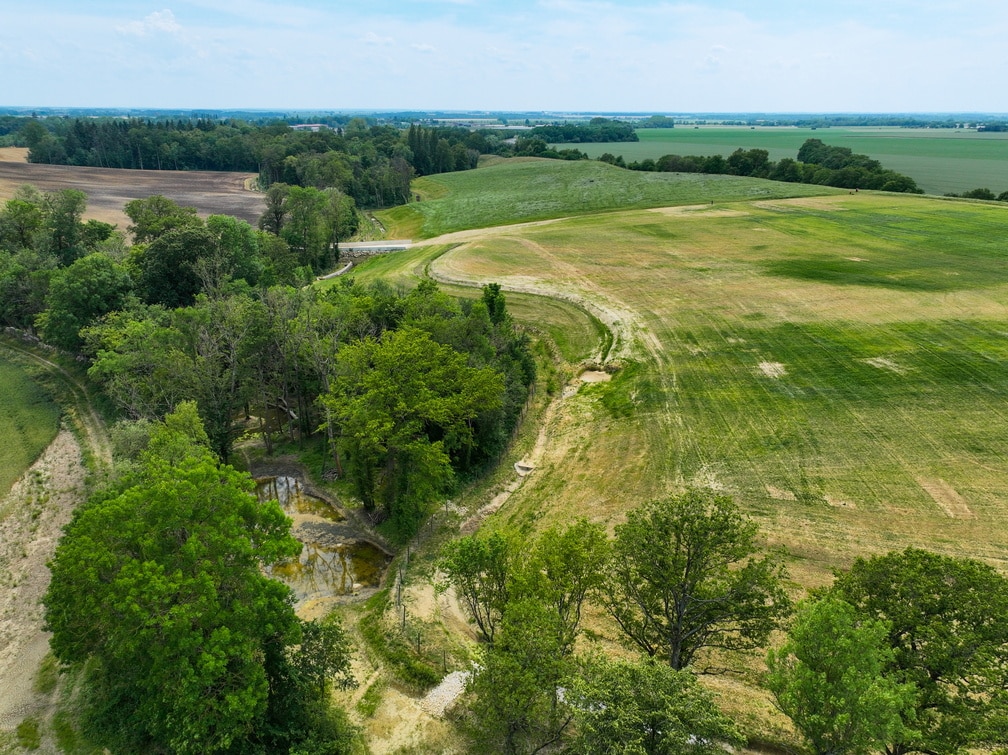
Restoring and creating wetlands in our projects
To mark World Wetlands Day, this article highlights the importance of these habitats, which are essential for biodiversity and the water cycle. At ECT, the preservation, restoration, and creation of wetlands are an integral part of our development projects. Through concrete actions on the ground, we are helping to restore these fragile yet indispensable ecosystems to their rightful place at the center of our efforts. Strong commitments For ECT, wetlands are a key consideration in the design and implementation of its projects. We place the protection of biodiversity at the heart of our work. In the face of the alarming
Read more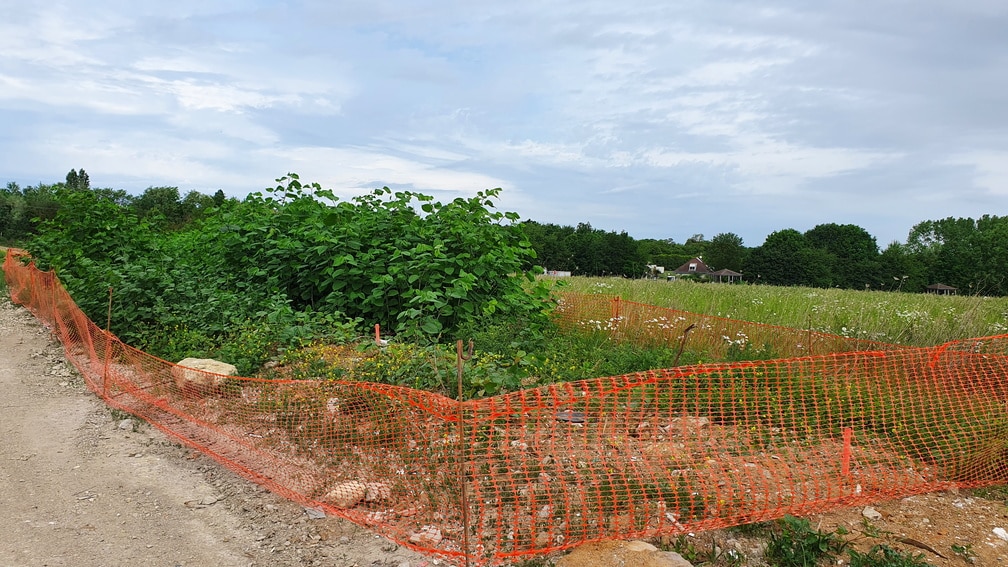
Biodiversity : 5 Priority Actions to Combat Invasive Alien Species
IAS : a global phenomenon, a local challenge for companies Invasive alien species (IAS) are a recognized threat to natural habitats. They are the fourth leading cause of biodiversity loss worldwide. Their presence causes exorbitant damage to agriculture, fisheries, the environment, and public health. In March 2021, researchers from the CNRS published a summary of the economic costs caused by the presence of IAS worldwide. Between 1870 and 2017, the damage is estimated at 1.288 trillion U.S. dollars. This global challenge translates into a local struggle for ECT. The initial abandonment of most of the sites where we operate facilitates
Read more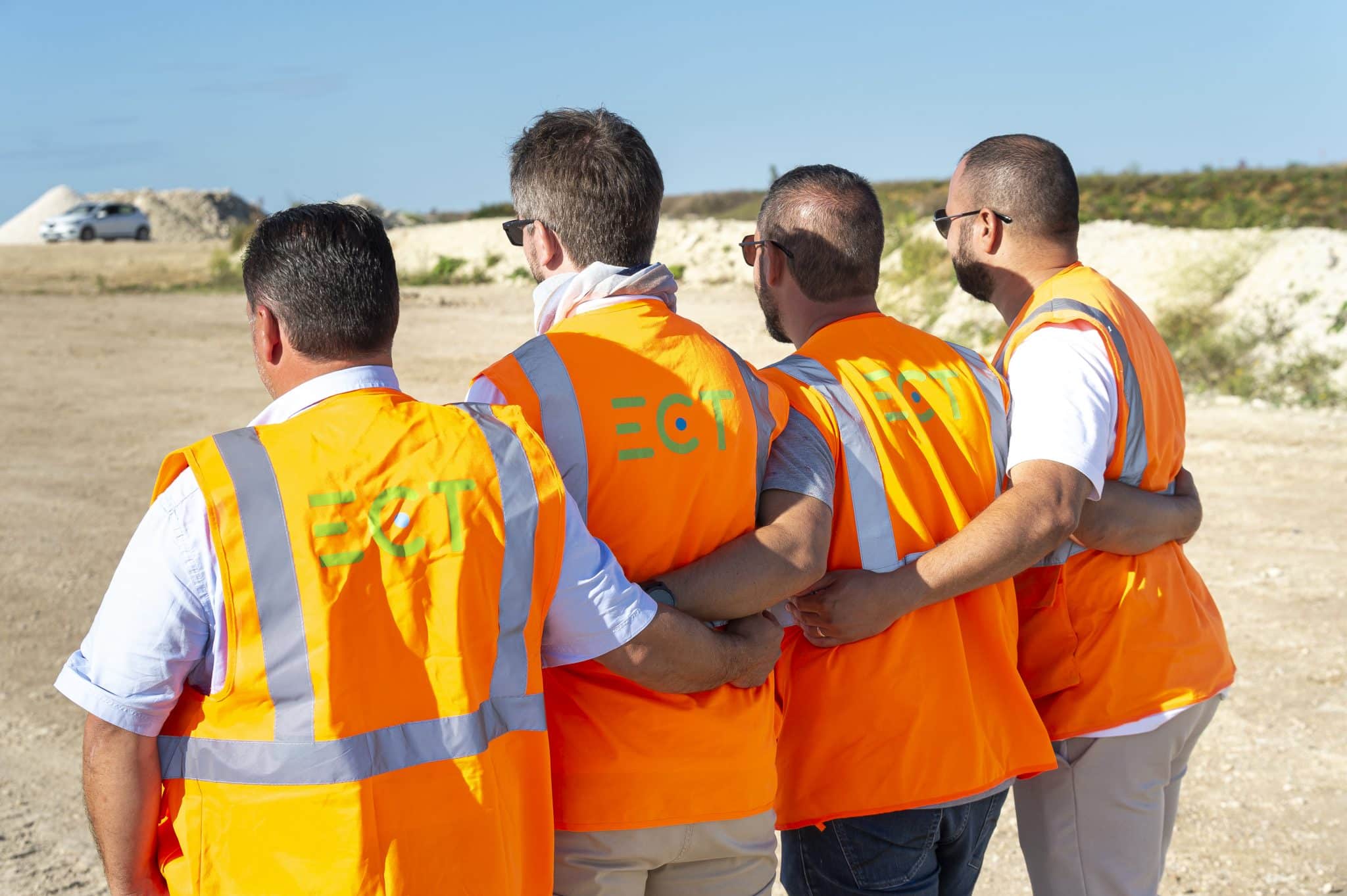
Human Resources in the Corporate Green Transition
Ecological transition, energy balance, CSR, carbon footprint, waste recovery… These are all terms that make most of us feel overwhelmed. Yet this is indeed one of the major challenges of our century. We must therefore take it into account in our day-to-day decisions. And what applies in our personal lives applies even more so in the workplace, where companies have a fundamental role to play in ensuring the world makes this long-awaited shift. Within the company, the task of steering this transition falls to the Human Resources department. As Alexandre STOURBE, CEO of “Le Lab RH,” points out, the department
Read more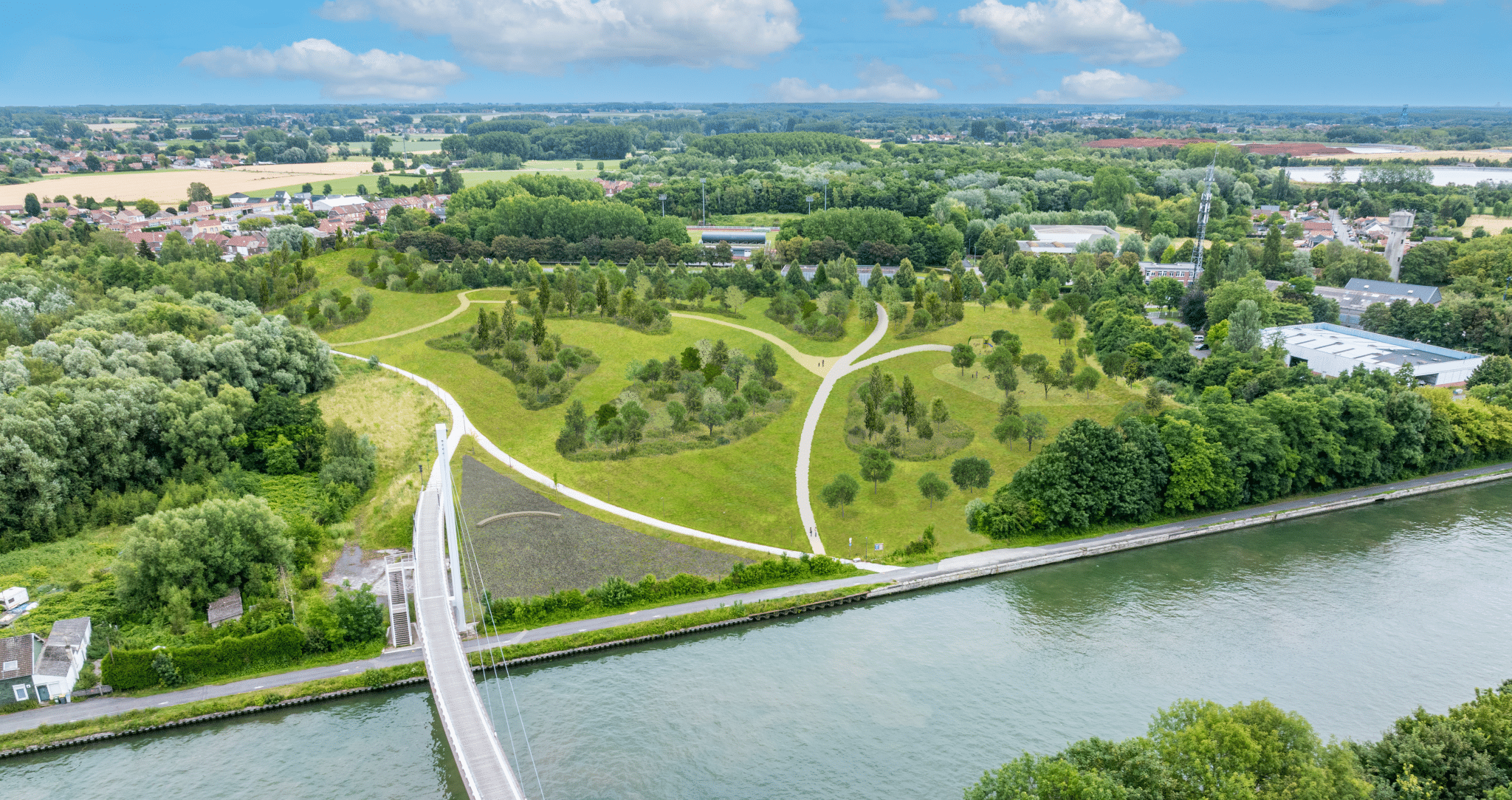
Climate and Ecological Transition in Local Communities : Working with Local Governments
The climate and ecological transition of local communities is not merely a matter of principles: it is built in concrete terms through development projects capable of turning environmental constraints into opportunities. Through its initiatives, ECT works on the ground to rehabilitate brownfield sites and support local communities in creating spaces that are more sustainable, resilient, and useful. The climate and ecological transition cannot be imposed by decree. It is built on the ground, project by project, through planning decisions that address climate challenges, biodiversity issues, and the new uses of sites slated for redevelopment. Transforming abandoned land and brownfields into
Read more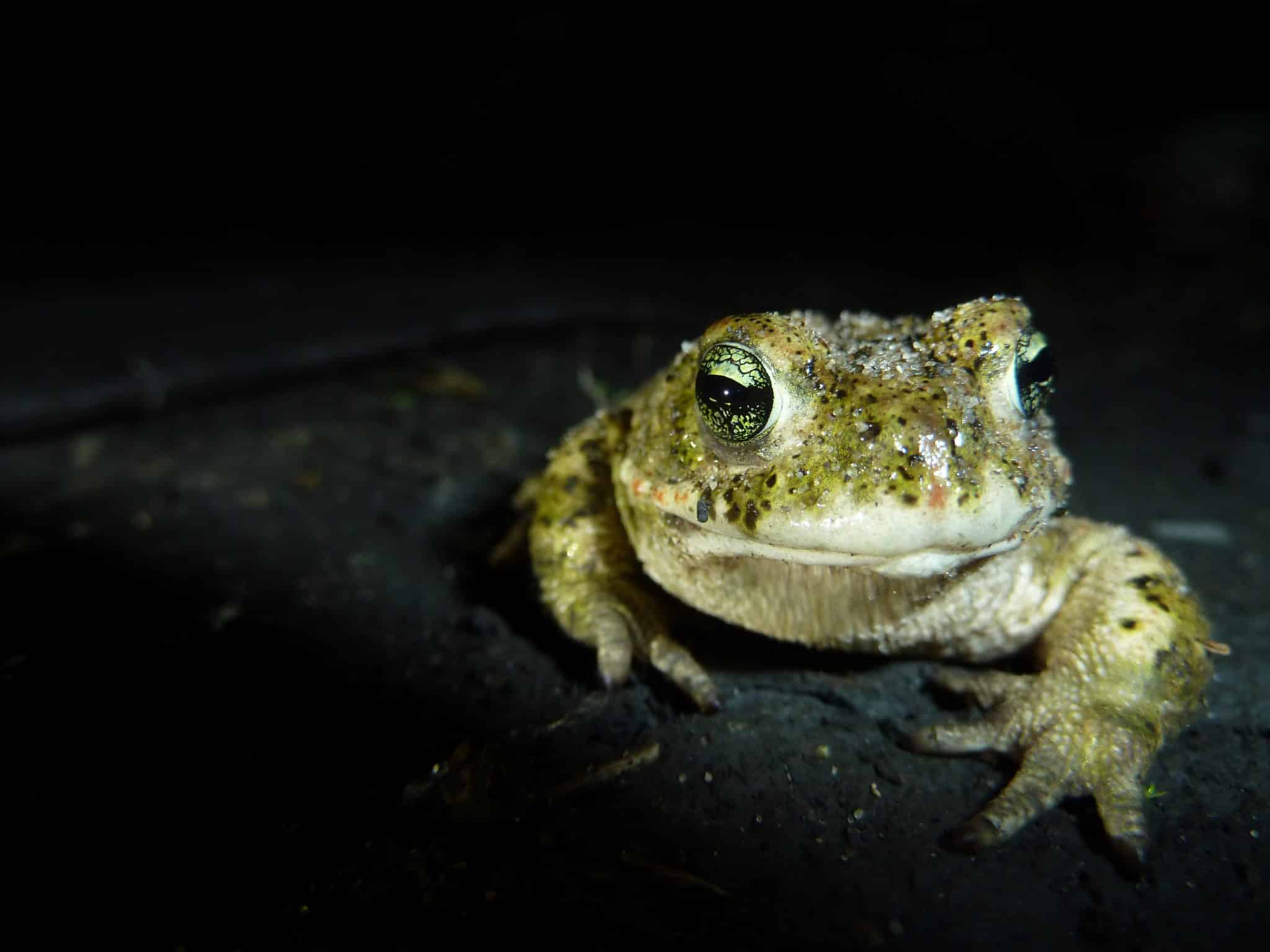
What if the biggest ecological problem were forgetfulness ?
In 1962, Rachel Carson’s famous book *Silent Spring* was published. It raised awareness among the general public and elected officials in both North America and Europe about the devastating effects of DDT use, which was driving birds from our countryside—both through poisoning and by disrupting their reproduction. DDT was subsequently banned. Today’s situation is much worse than that of the 1960s. The climate crisis, which is just as serious, overshadows the crisis of biodiversity loss, even though healthy ecosystems and soils would make our regions more resilient. Thanks to conservation and monitoring programs, a few major and iconic species are
Read more