
In 1962, Rachel Carson’s famous book ” Silent Spring “. It made the general public and elected representatives in North America and Europe aware of the ravages of DDT use, which emptied our countryside of its birds, both by poisoning them and altering their reproduction. DDT was subsequently banned.
Today's situation is far worse than that of the 1960s.
The climate crisis, which is just as serious, overshadows the collapse of biodiversity, even though healthy ecosystems and soils would make our regions more resilient.
With the help of reinforcement or monitoring programs, some large and prestigious species are being maintained or reinstated. It’s important. These include peregrine falcons, griffon and black vultures, lammergeiers and white and black storks.
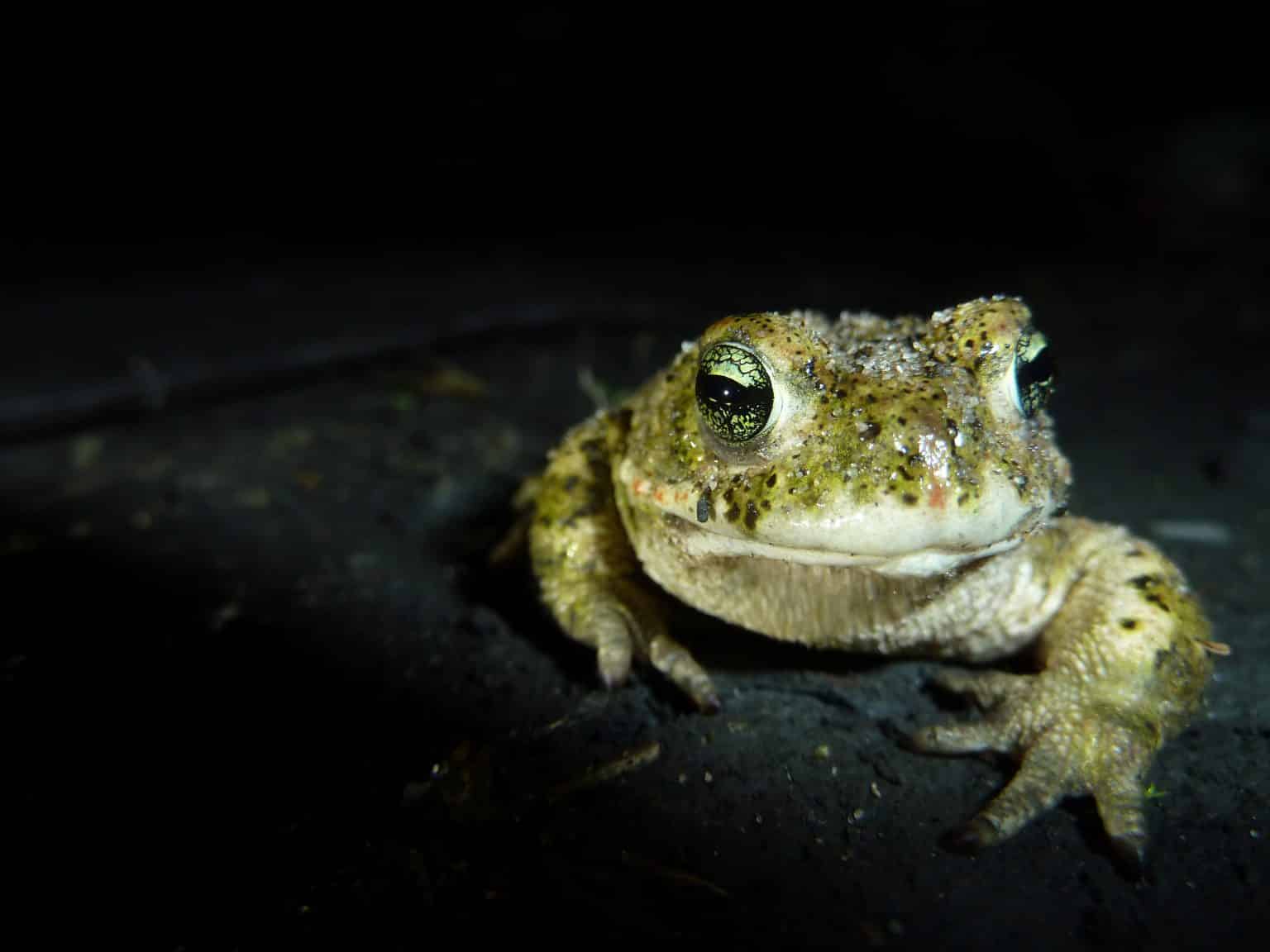
Meanwhile, the majority of species – birds, amphibians, chiropterans, invertebrates – are disappearing. Our practices are not changing, or not changing fast enough. Countryside, towns and gardens fall silent. Even the house sparrow is rare. Who remembers the swarms of insects that filled the radiator grilles of our parents’ cars, and the need to clean windscreens and headlights when filling up with petrol?
Protecting "ordinary" biodiversity
Spring has become truly silent and the world is deaf to the words of ecologists. However, in addition to protecting heritage species, we also need to consider “ordinary” species, before these more common species become rare and endangered.
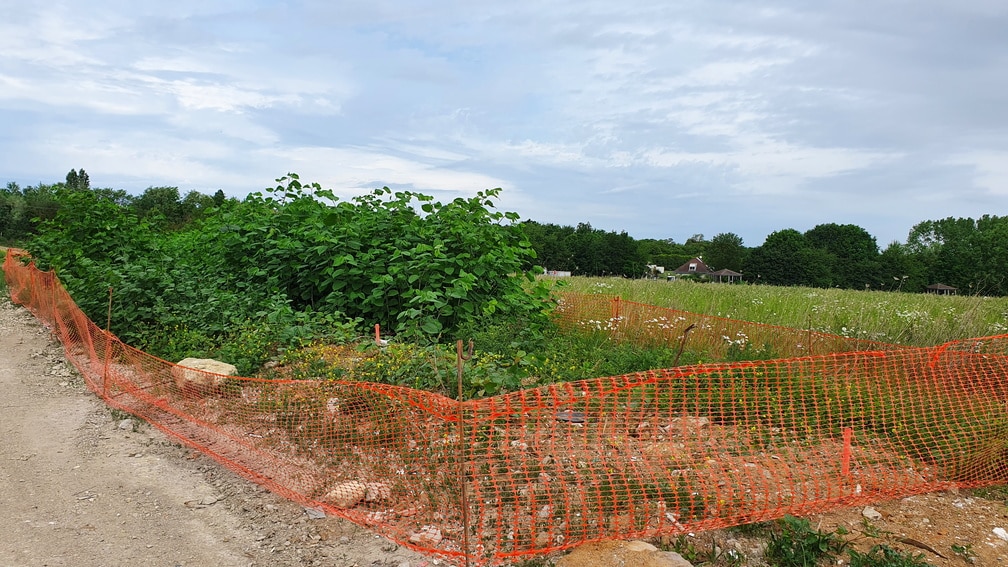
This “ordinary” biodiversity needs the reinforcement and preservation of “soil” and “water” resources. Implement relatively simple and often effective actions. For example, plant ground cover to prevent erosion of slopes or combat invasive exotic species, plant rural hedges, woods and orchards, sow flower meadows, but also create thin lawns, winter roosts for bats and habitats for wild pollinators.
Modestly and concomitantly with other initiatives and players, ECT has made a commitment to nature with theFrench Biodiversity Office.